
The Mold Potato day
and the re-ignition of my love affair

Yesterday on a freezing Saturday morning I awoke to the sprinkle of snow on the hills and a spring in my step. It was the Mold Potato day and I couldn’t have been more excited. Growing up in the City I would never have imagined that I would have such a desire to jump in my car and descend upon a small market town in search of unusual varieties for ‘chitting’ (more on this later). But here I was.
Organised by Flintshare a community run social enterprise it is an annual day celebrating the potato. In conjunction with Brighter Blooms, a seed and vegetable supplier, there was a plethora of potatoes on offer. The venue was Daniel Owen Centre in Mold. A warm and welcoming venue with a cafe on site which was well patronised it had a lovely Saturday morning buzz about it. Mugs of tea and sausage and chips were fuelling the folks of this town, before they went into the market or off to buy their potatoes.
Flintshare are a growing co-op. You pay £25 per year and for that you have access to local veg grown by the group. Each week the group harvests and distributes amongst its members the fruits of their labour. The more they graft the more they put in their vegetable piggy bank to take home. The cost of the veg is kept low and it provides access to good, clean, fair food. Its a great scheme and one that resonated with me with my Slow Food hat on.
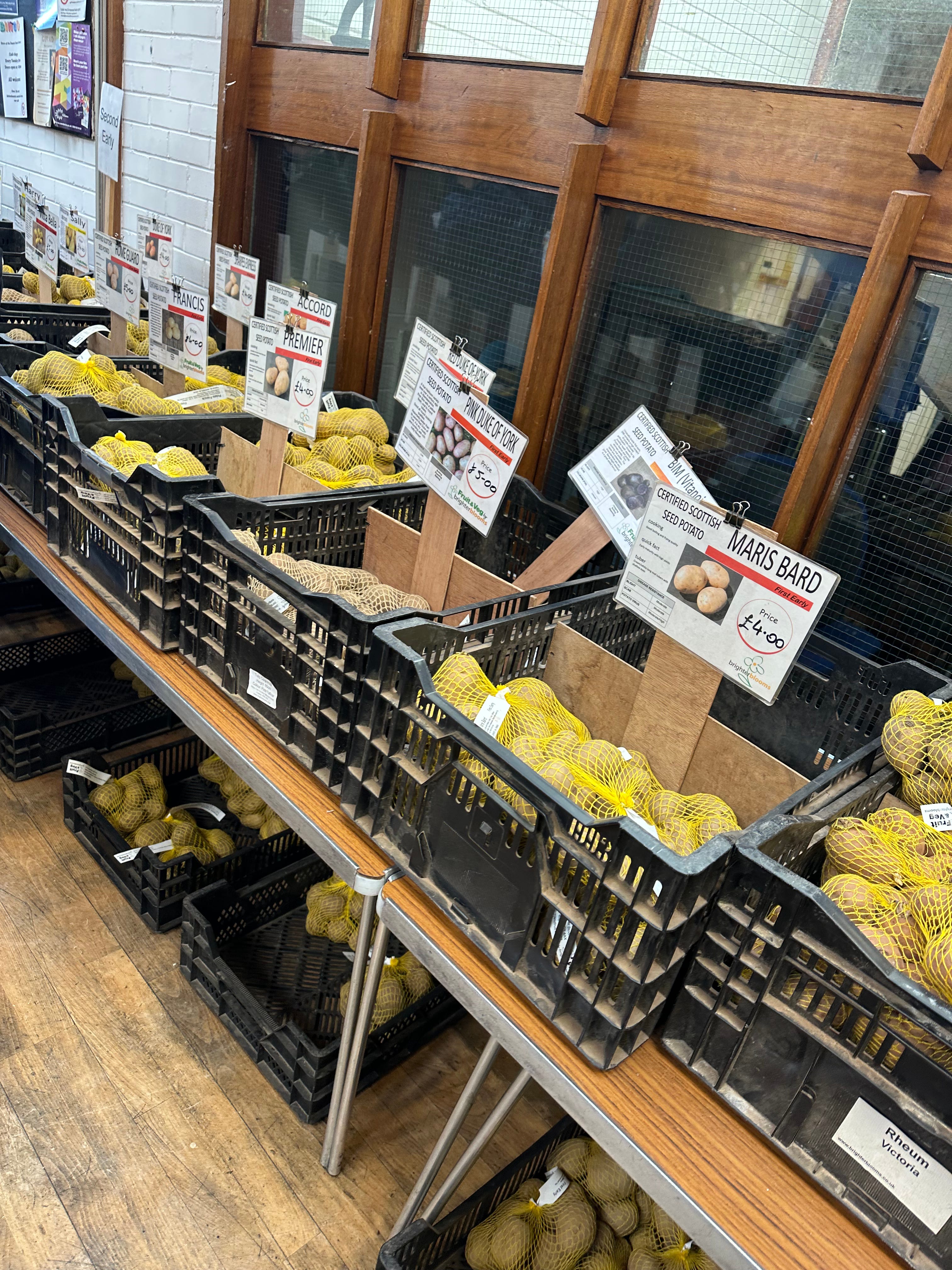
Mold is a town in Flintshire situated on the River Alyn. The centre is named after its most famous literary son, Daniel Owen. I arrived to see a packed hall filled with people here for one reason and one reason only; the humble potato. I had decided that I wouldn’t grow too many this year as my potatoes last year were not great. That was before the delight of a ‘potato day’ had entered my consciousness. My companion, horticulturist and all round knowledgeable friend, Andrew Collings, advised that the weather last year wasn’t great for potatoes. That the drought had really effected the cropping and that maybe I should focus on the first earlies. As they are the crop that will come first and provide that delight of new potatoes at the table. As they are grown through the earlier and wetter part of the calendar even if we have a dry summer again they will have cropped and been eaten by then.
As those of you who have been reading along know. I grew up in the city and did not belong to a family who grew veg. So all my experience has been gleaned in the last few years. As I have grown I have learned as I go. With my trusty garden friends and people who have helped me along the way I have begun to understand my patch of ground and what will thrive here.
I didn’t understand the word ‘chitting’ it just wasn’t in my vocabulary. It basically means sprouting and will produce a larger crop and in some cases an earlier crop as it gives them a good head start. You put them in trays in a light, but frost free, place and allow the magic to begin. It is like they have been awoken from a deep sleep and as they awaken their eyes open and they start to sprout.
The activity of ‘chitting’ has formed a part of my gardening calendar for the past few years and yesterday was a new date that I’ll be adding to my annual growing regime. I normally go to my local garden centre, where the owner there literally knows his onions and his potatoes. He has shelves of brown paper bags that contain between a kilo and a half kilo of seed potato potato which I believe come down from Scotland. I have read that the best seed potatoes are grown in Scotland and Ireland or Northern England. Providing the best quality and most reliable croppers. It seems to be down to the low temperatures and temperate climate that provide the ideal growing conditions to consistently provide reliable disease free tubers. I’ll be going to my local guy to get a few more in the coming weeks, because despite my discussion of self control when it comes to the veg patch I have none!
Some growing friends think that it is ridiculous to grow as many potatoes as I do; the reason I do it is because of the abject pleasure it gives me when I put the fork into the ground and from one potato springs forth maybe eight or ten others. What a magical process where one Mother potato goes into the ground gives birth to all these little baby potatoes. Sheer joy.
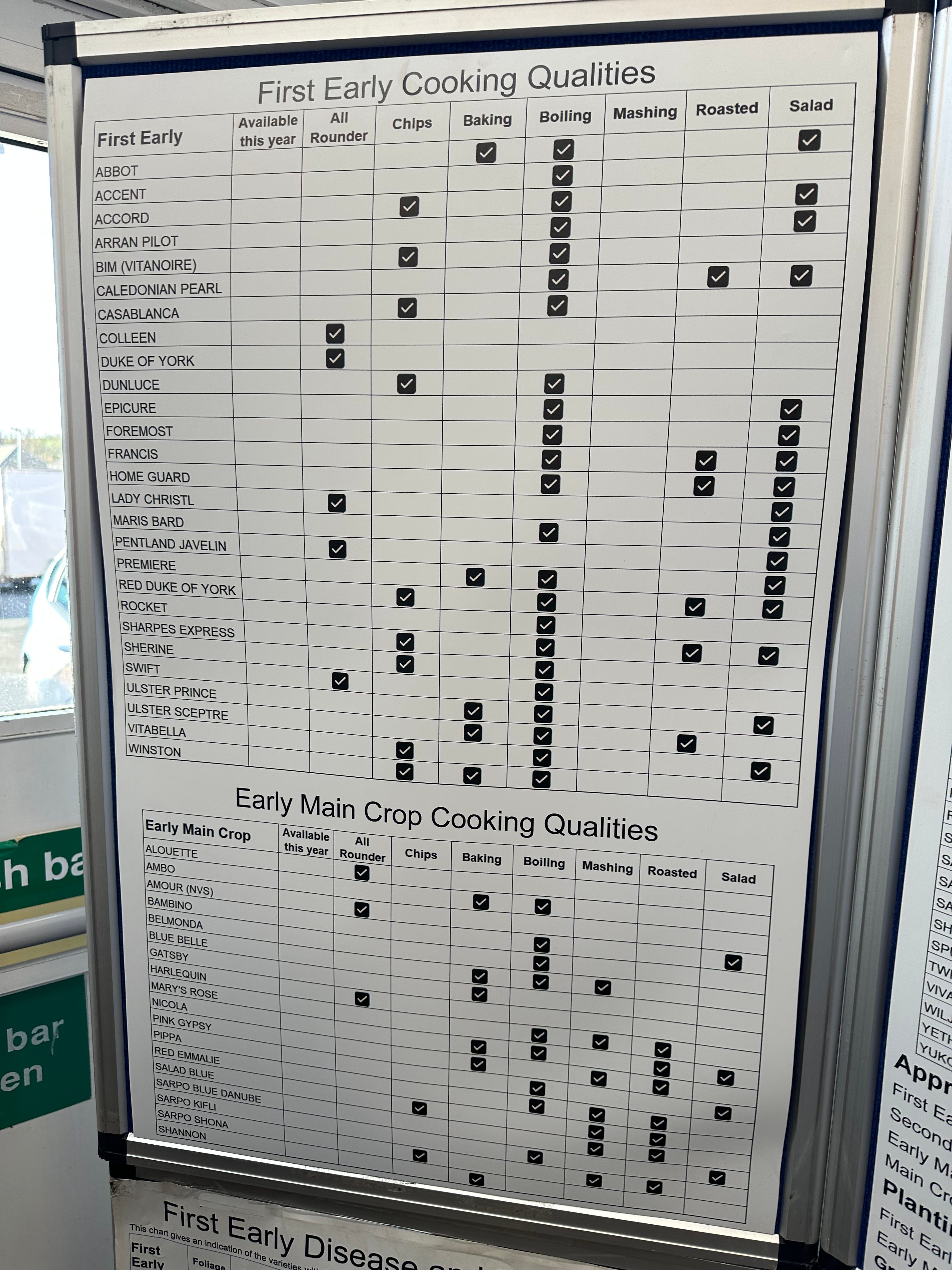
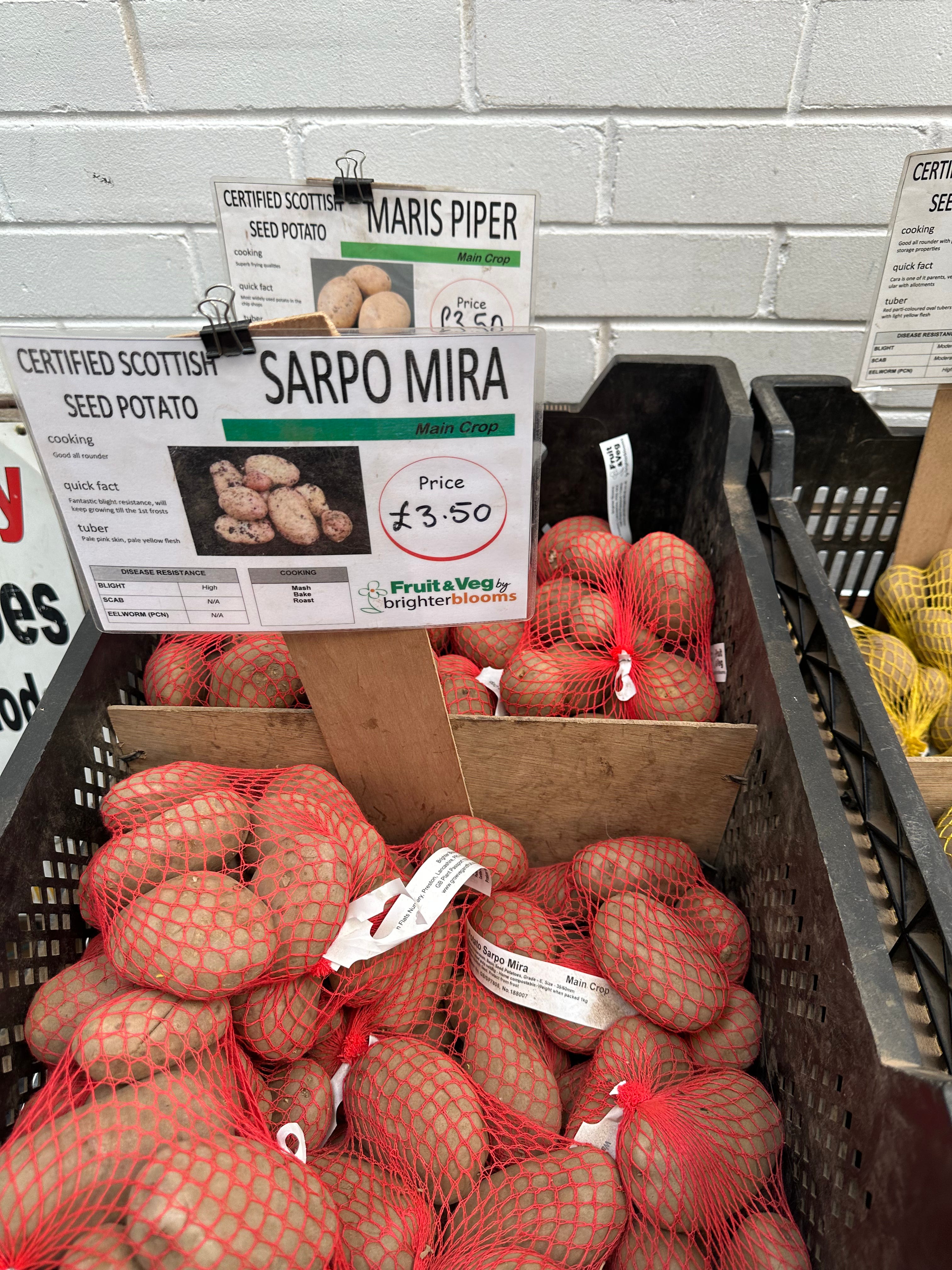
Image provided on the day by Brighter Blooms
The varieties fall into first earlies, second earlies and main crop potatoes. To decide when they are planted after the requisite 6 weeks of ‘chitting’ you need to seek out the advice of a local sage. The potatoes will go in at a certain time in order of preference for the first, second and main crop varieties. But in my area it depends on the weather as it will in yours. When I first started growing my potatoes I didn’t understand that I shouldn’t just follow the instructions on the tin. I started out blindly following what I was told in the books, not really understanding that it is to do with the local variance in weather. So now I consult my local sage. The advice he gives me is learnt over many decades of experience. You can’t get better than that.
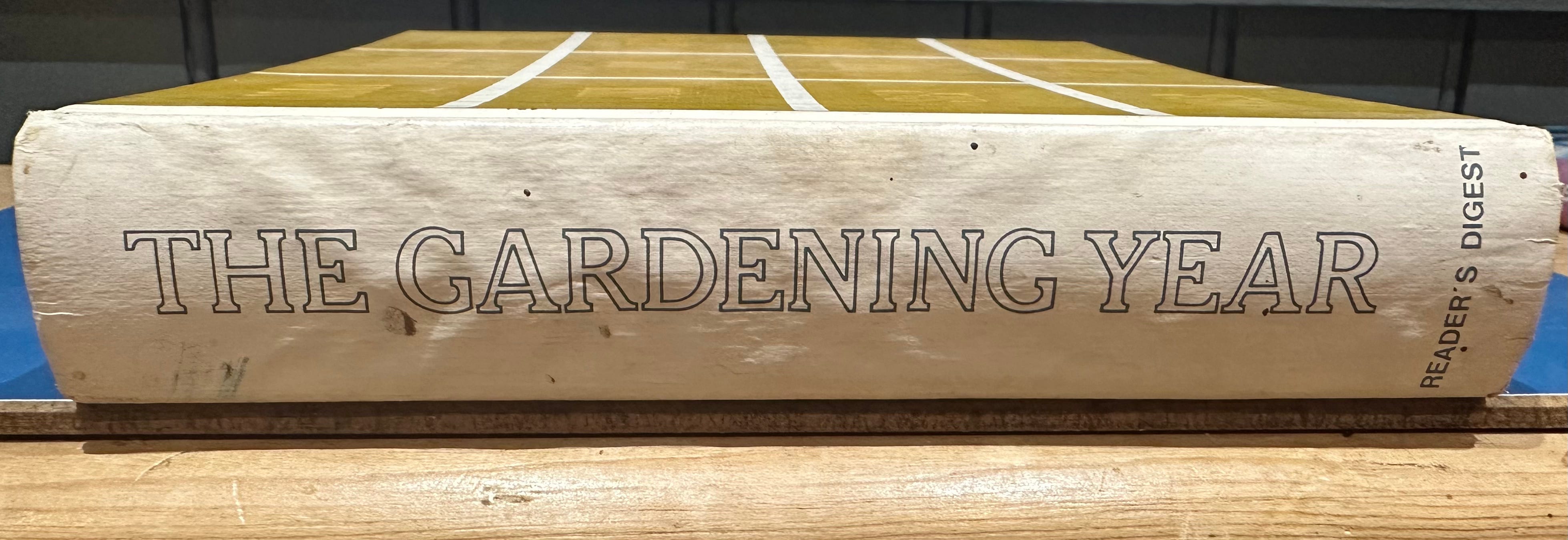
I’ve got a wonderful book, first published in 1968, ‘The Reader’s Digest Guide to the Gardening Year’. It has a map at the beginning of each month which shows us right across the country, what the differences in temperature are. It gives tasks for each month and advises when Spring, Summer, Autumn and Winter start in each area.
It advises on the time frames for the progression of Spring across the country and how this will effect the planting out time. Where Scottish gardens can in some cases be at least four weeks behind those further South. It also reminds us that March can bring snow and strong gale force North Westerly winds. Which always catch me off guard. But the main thing is that the suns rays are growing stronger and there will be some warm weather during this period. Good news to all of us who are by now so fed up with this wet Winter that we are raying for the onset of Spring. All of this was new to me and it has taken me time to begin to learn. I think we never stop learning, generally but particularly about what our pockets of land give us. Here we have a certain calendar it won’t be the same way you live.
With potatoes I love the process as they going to egg box trays in my greenhouse and begin their ‘chitting’. I get the anticipation in my bones for the growing season ahead. I love everything about it, from the fact that I now need to start printing labels to making a note of the varieties and the date I began the process. My love of labels and stationary is for another post, but needless to say I keep a very detailed record so that I can refer back year on year. I was once advised to keep a five year diary so that I could see when I put things in, when I sow things and how they faired with my weather and forecast. I still keep that record.
Here we put early potatoes first early in late April/early May, second earlies in early/mid May and main cross crops in at the end of May. Then start harvesting those potatoes approximately 10 weeks later with the second earlies 15 weeks after planting and main crop about 20 weeks. The whole process is magical. We wait for the rain. The shoots starts appearing and then we do something called a ‘earthing it up.’ Again for the City girl I had no idea what that meant. It basically means dragging some earth up to the sides of the shoots so that the potatoes themselves are never exposed to light and therefore they don’t go green which can become poisonous.
Harvest of the first spuds is one of the best of spring. Small nuggets of gold appear under my fork and I just treat them very simply. Boiled with a bit of butter and maybe a few herbs. Nothing more. They are the treat of the season. So Mold potato day you are responsible for the potato regaining a place in my heart and on my table. Long may it remain.
I own that book! I used to have an allotment many years ago and it was the bible, in terms of what I did month to month. That, and the old guys in the neighbouring plots.